How long should a CV be?
The short answer for the UK is two pages at most. Here is how it changes with your career stage, and how to cut yours down if it runs over.
The rule of thumb
| Who you are | Length |
|---|---|
| School leaver or student | 1 page |
| Graduate or early career | 1 to 2 pages |
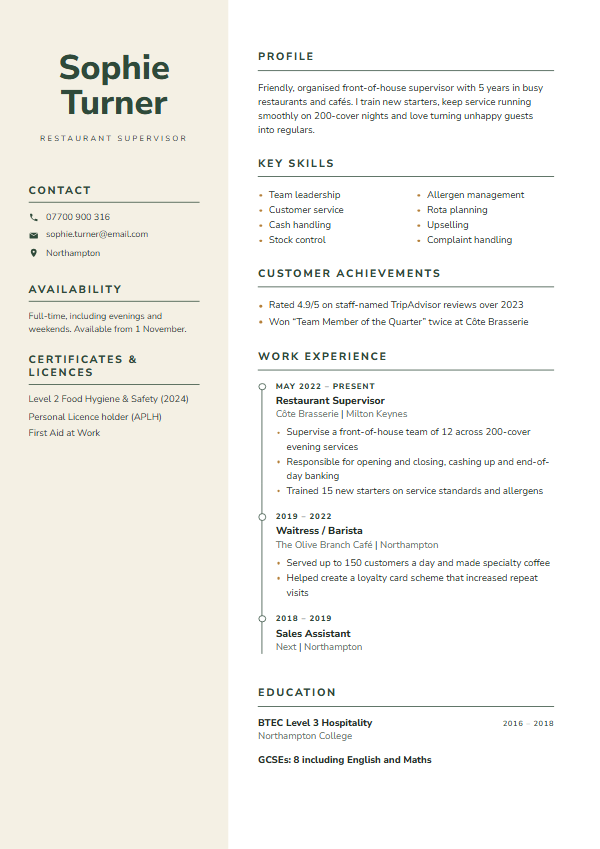
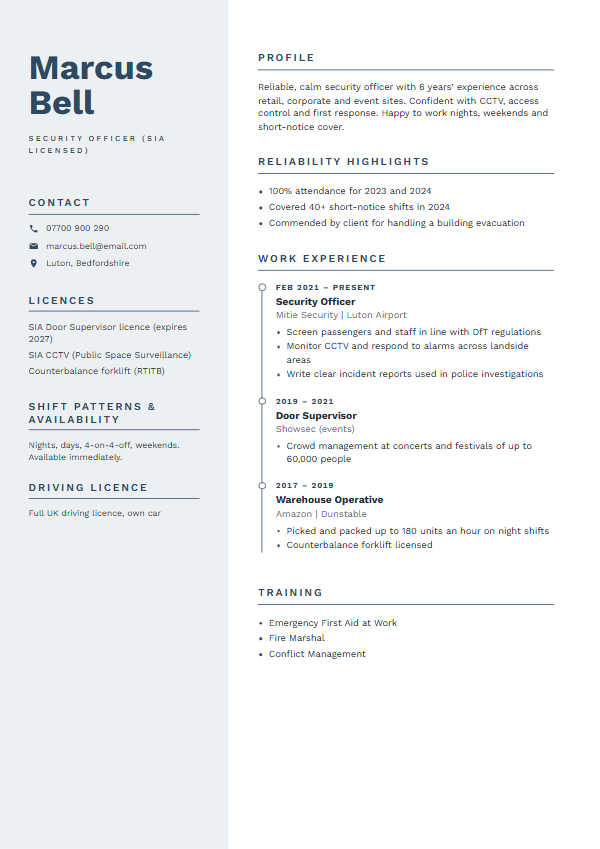
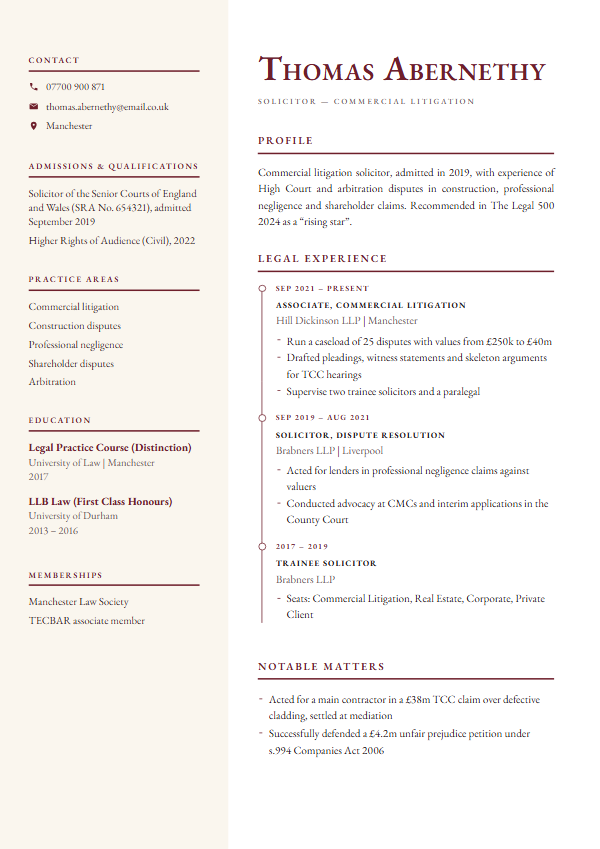
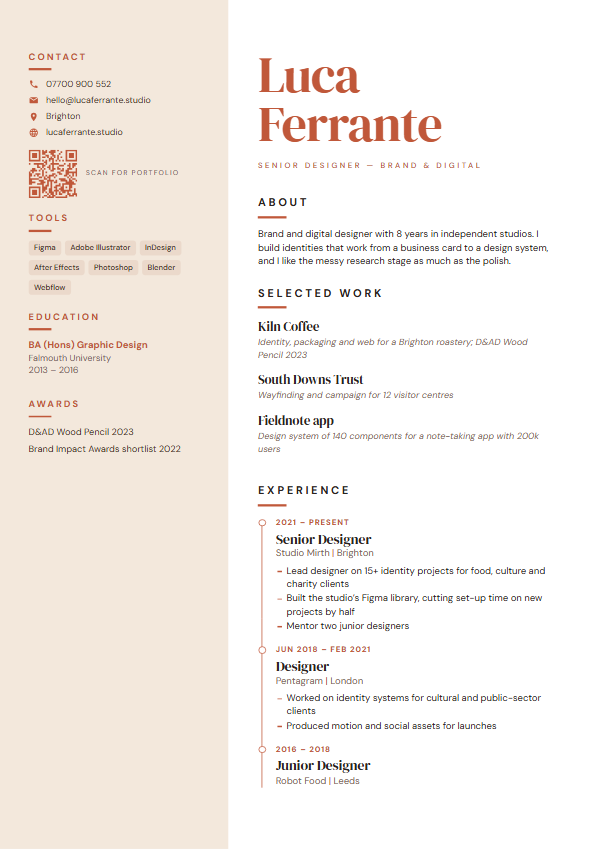
| Experienced (3+ years) | 2 pages |
| Senior manager or director | 2 pages, occasionally 3 |
| Academic, research or medical | As long as needed |
Why two pages?
Recruiters often shortlist from dozens or hundreds of applications. A focused two-page CV gets read properly, while a five-page one gets skimmed. Length is not a sign of experience: relevance is.
How to cut a long CV down
- Shorten older jobs. Anything over 10 years ago can be one line: title, employer, dates.
- Cut duties everyone in the role does. Keep the achievements.
- Merge short or similar roles, such as several temp jobs, into one entry.
- Drop "References available on request". It is assumed.
- Remove personal details UK employers do not need: date of birth, full address, marital status, photo.
- Trim the skills list to the ones in the job advert.
- Check the layout. Narrow margins and tiny fonts are not the answer, but big gaps between sections waste space.
Can a CV be too short?
Yes. A half-empty page can look like there is not much to say. If you are early in your career, add projects, volunteering, coursework and responsibilities. See how to write a CV with no experience.
Check how many pages yours fills
Paste your CV into Your CV Studio and the preview shows exactly how many pages it fills in each design, so you can see where to trim.